Lake Kopais: A Monument of Nature and Modern History
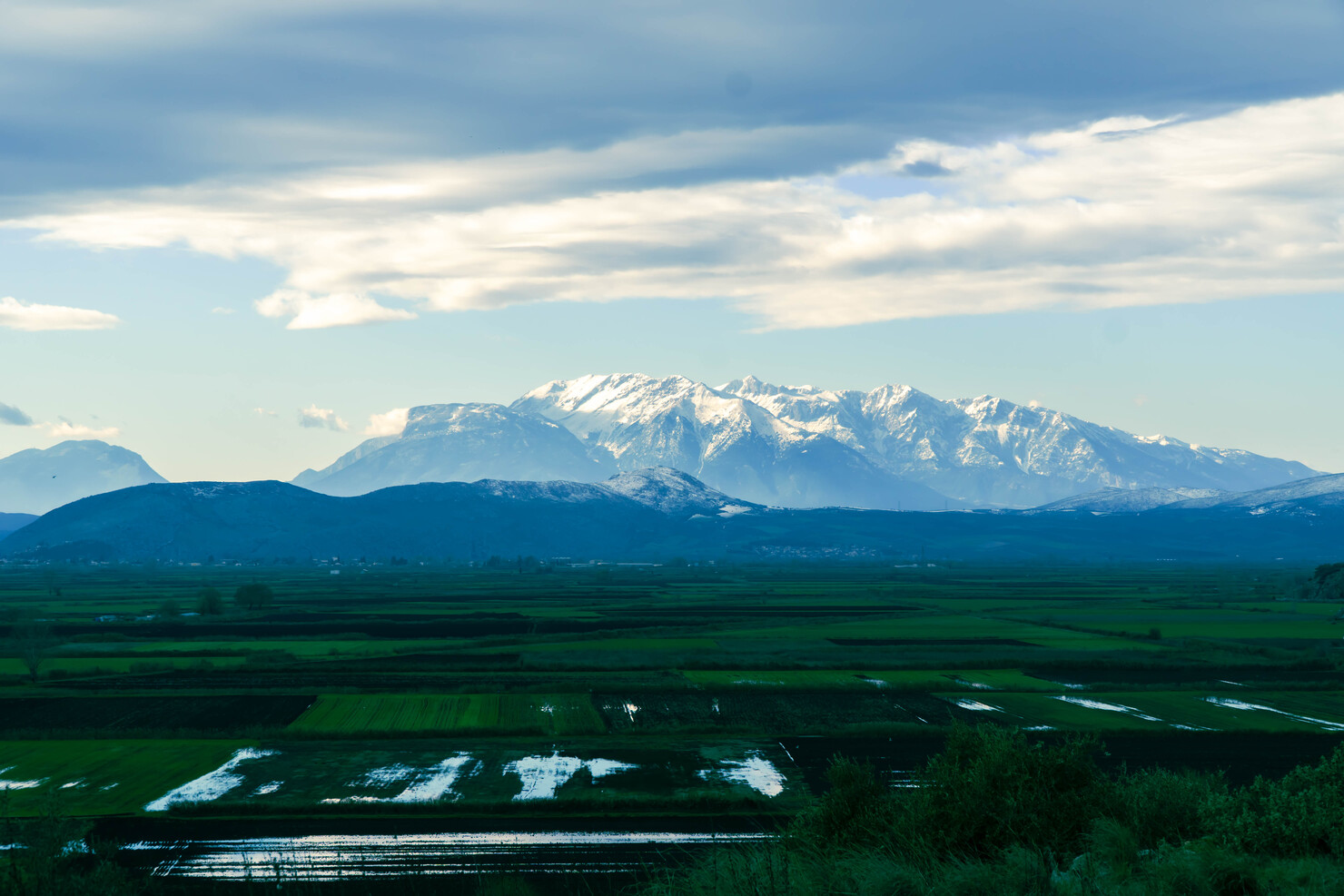
After the establishment of the independent Greek state, the drainage of Lake Copais became a necessity to combat malaria in the region and meet the country’s urgent needs for essential food supplies (wheat, corn) and industrial crops (cotton). Several attempts were made to drain the lake up until 1892, but none succeeded. In 1887, the French company that had started drainage works in 1880 transferred its rights to the British company Lake Copais Co. Ltd, due to its inability to complete the project.
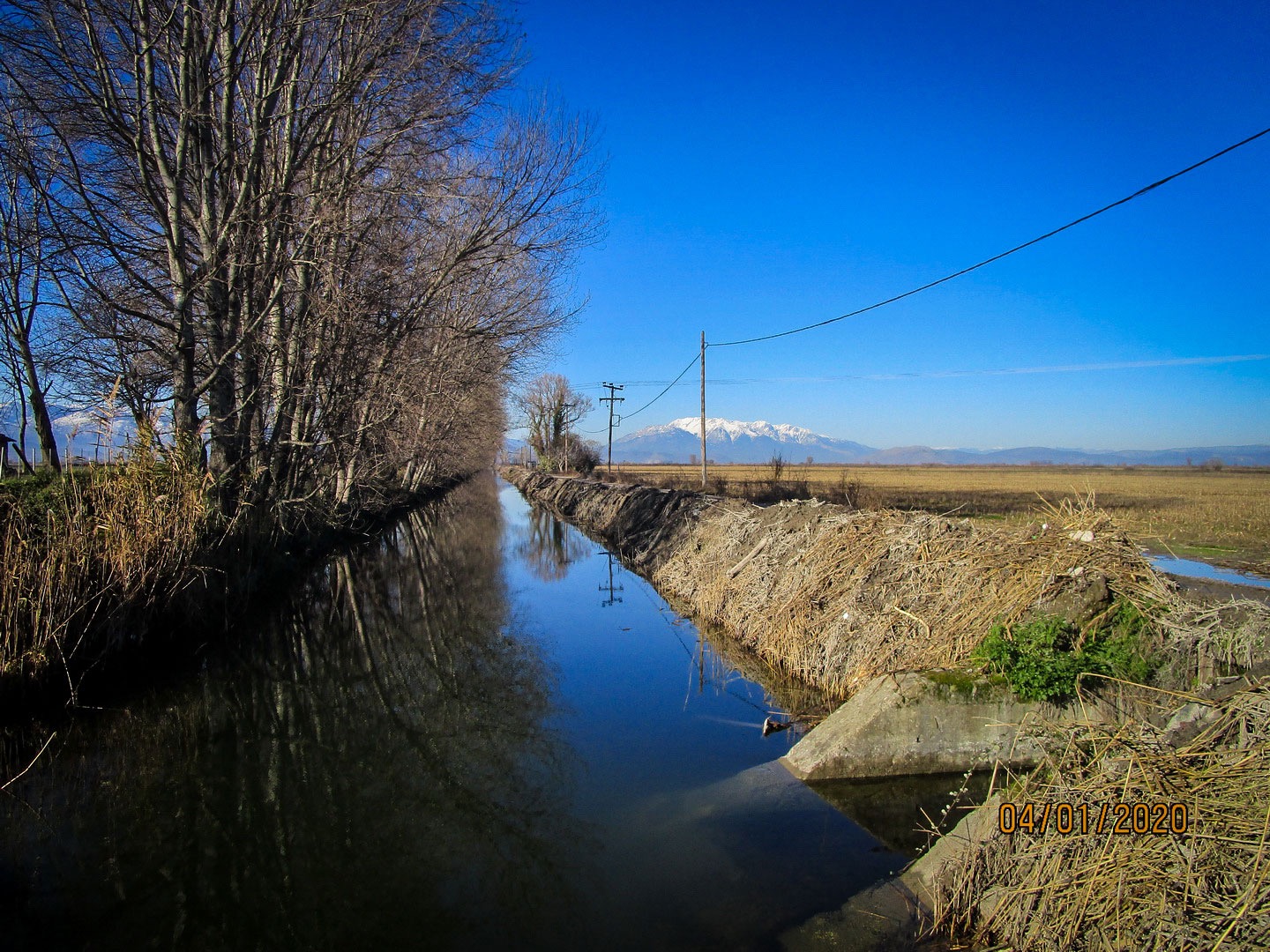
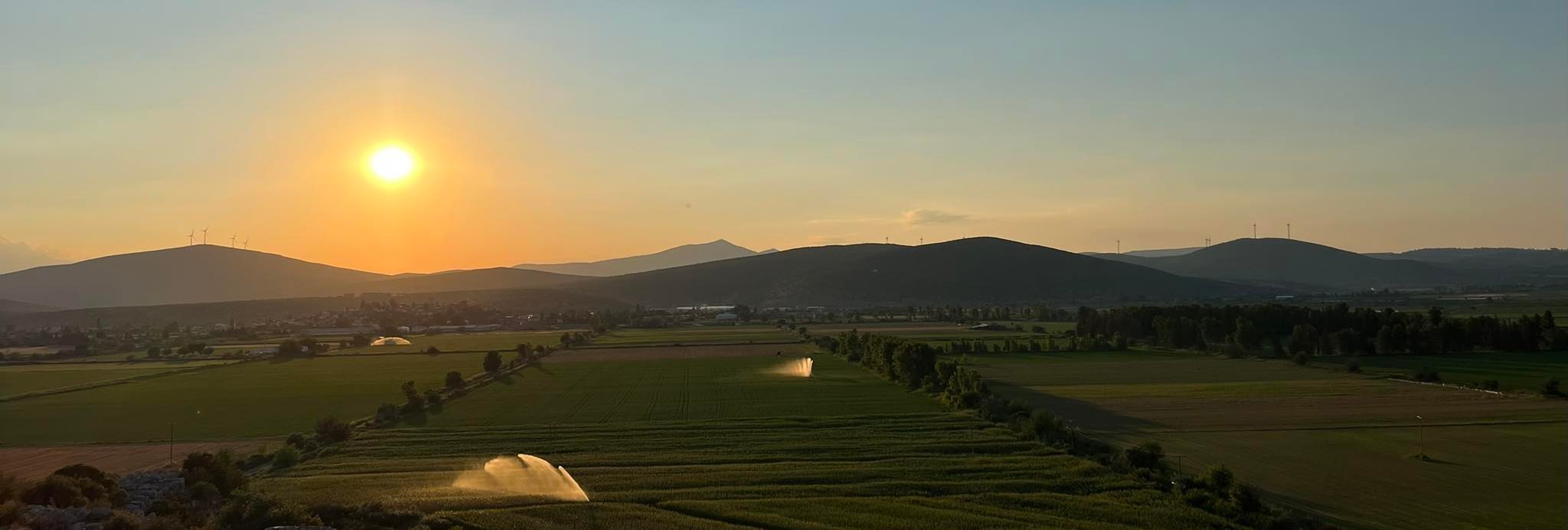
The drainage plan largely followed the ancient engineering concepts of the Minyans, utilizing the natural terrain and features to channel the lake's waters through tunnels and canals into Lake Yliki and Paralimni to be used as reservoirs for water conservation. Since the goal was not only to drain the lake but also to irrigate the plain that would emerge, a comprehensive irrigation and drainage system was designed and constructed.
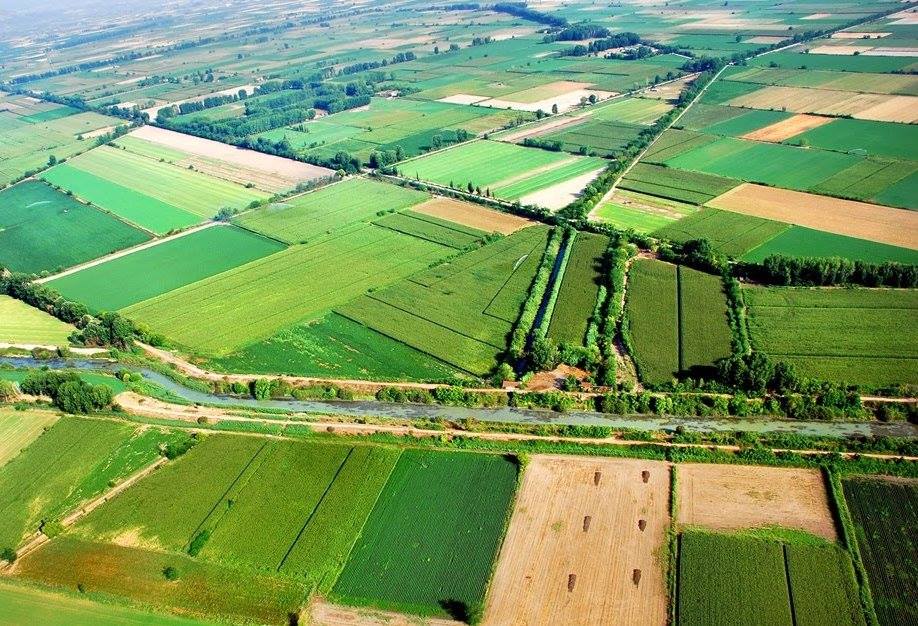
After numerous delays, obstacles, and problems, the project was completed, and on September 21, 1892, an acceptance protocol was signed in Thebes. It was the largest infrastructure project in Greece up to that time. The lake was drained, transforming it into a fertile plain. Approximately 250,000 stremmas (250,000,000 sq.m.) were reclaimed.
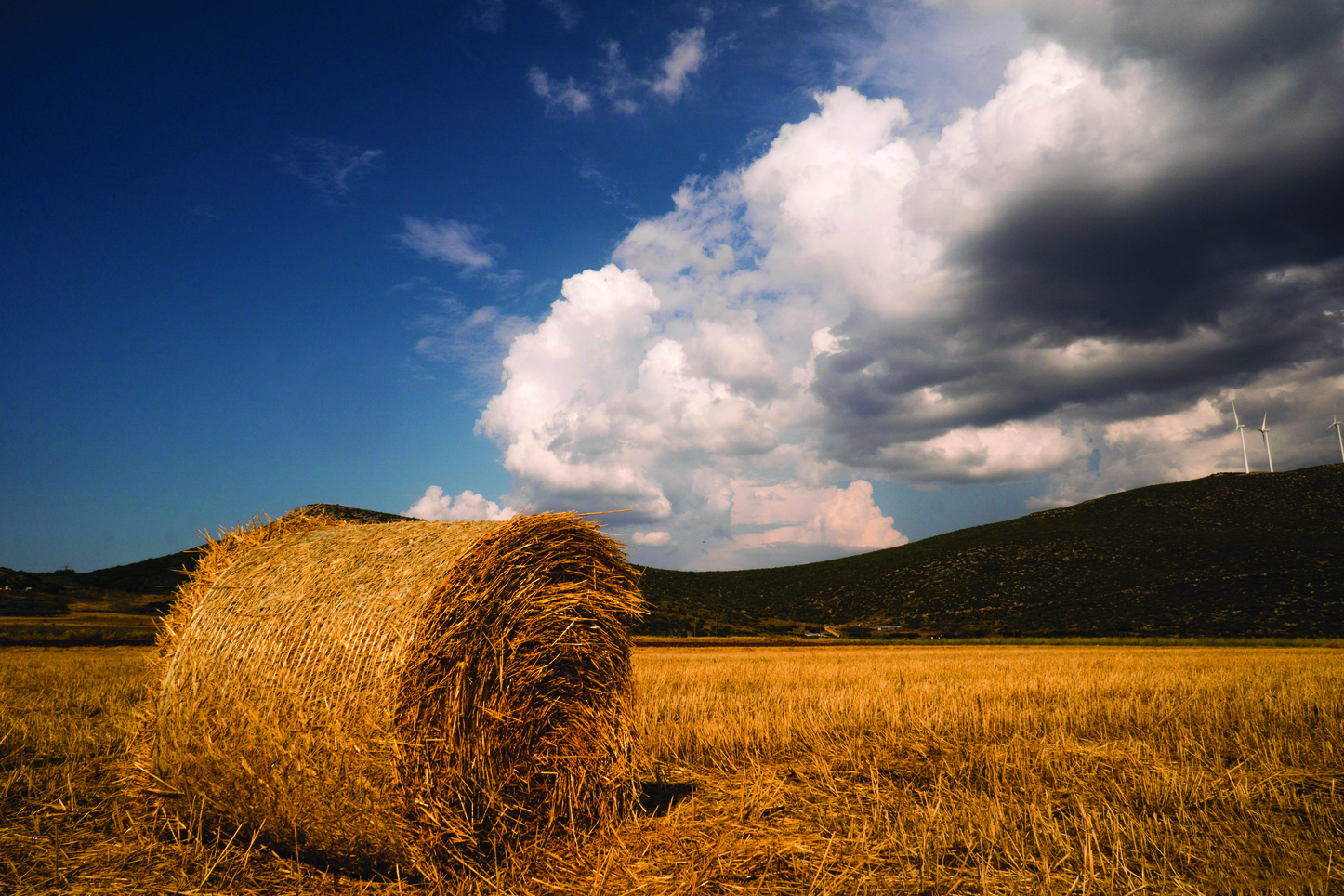
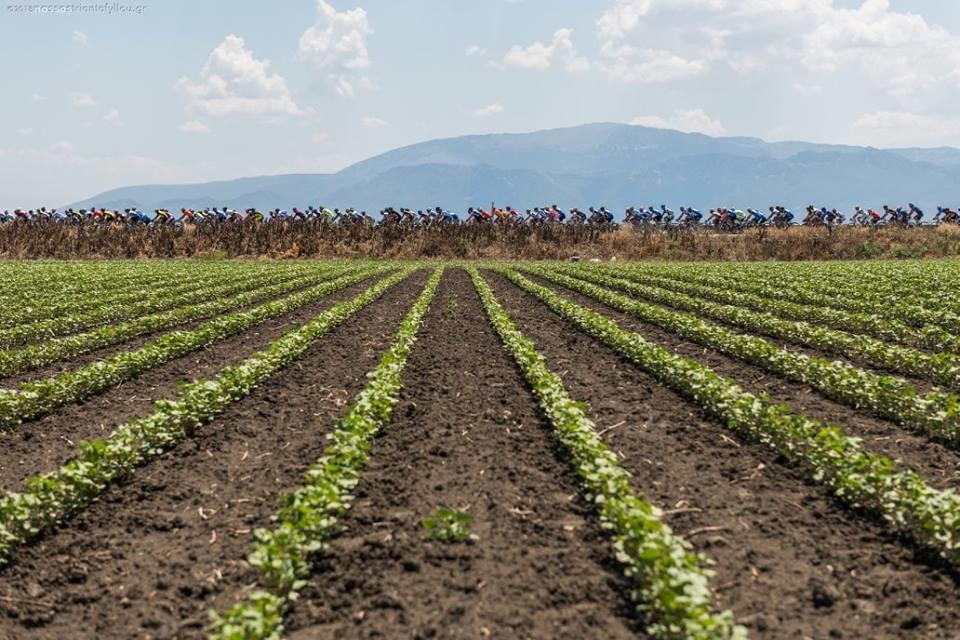
The Lake Copais Co. Ltd established its headquarters in Aliartos, where the first buildings had been constructed as early as 1887. Over the following years, the Copais plain was cultivated intensively, producing wheat, cotton, corn, legumes, tomatoes, and other crops. Livestock farming also flourished, including sheep, goats, cattle, and turkeys. During World War II, the production, buildings, and facilities of the Copais estate were requisitioned for the needs of the occupying forces.
After the war, in 1945, Lake Copais Co. Ltd resumed management of the Copais estate. However, discussions about its expropriation by the Greek state started in the following years. In 1953, the properties and facilities of the British company were transferred to the jurisdiction of the Greek government. The land was distributed to 13,000 farmers in plots of approximately 14 stremmas each.
In 1954, the Ministry of Agriculture established the Copais Organization to manage and maintain the region's irrigation systems, roads, and other infrastructure.
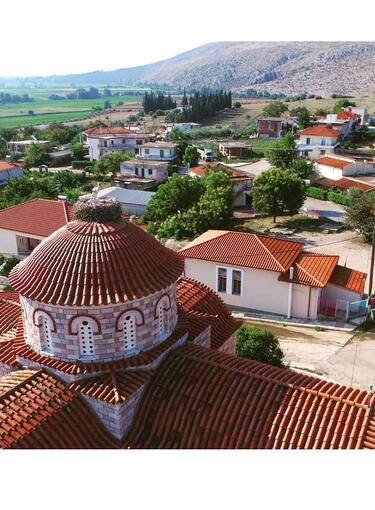
Today, Copais, managed by the Region of Central Greece since 2014, remains a vibrant ecosystem spanning approximately 300,000 stremmas. Thousands of farmers work the land, and numerous professions and activities linked to agricultural production thrive in the surrounding areas.