Lake Kopais: A Monument of Nature and Modern History
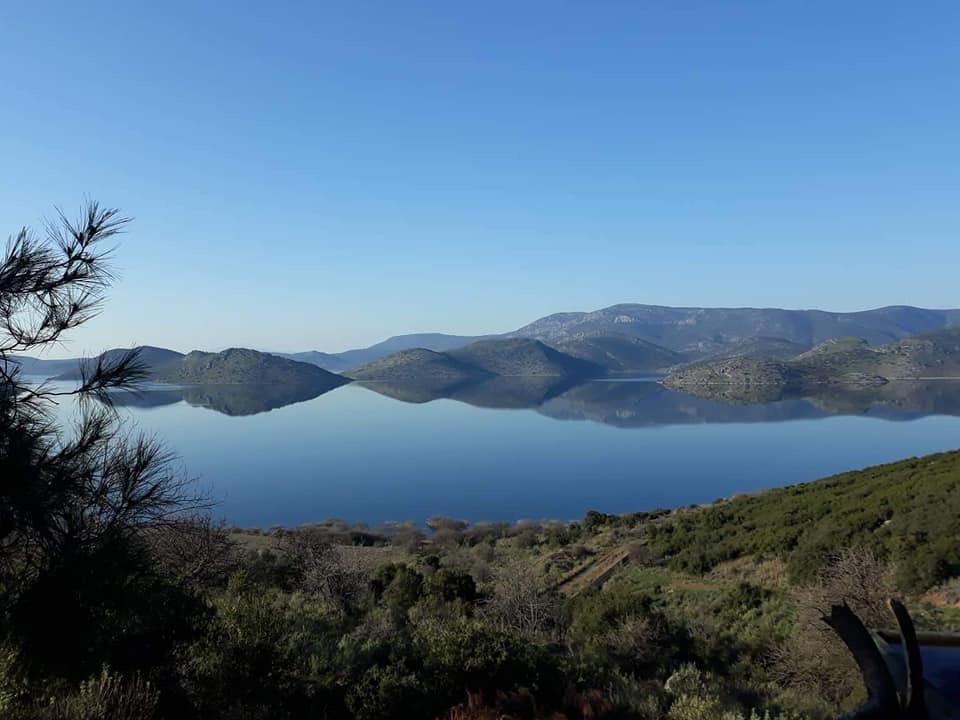
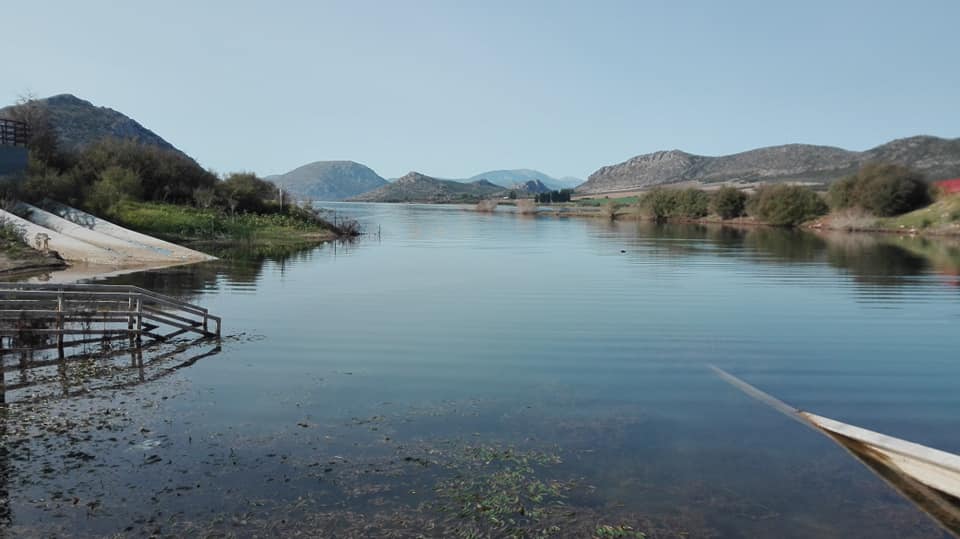
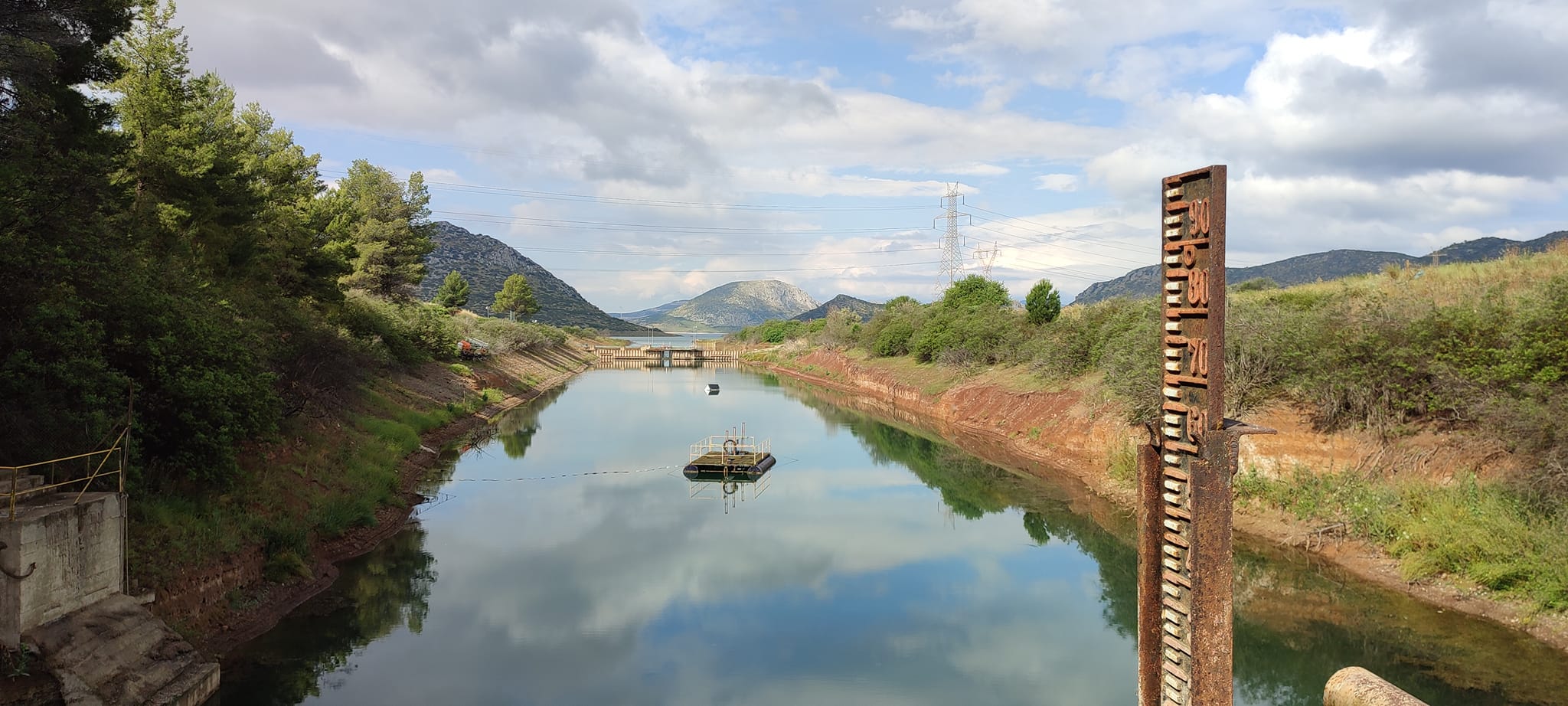
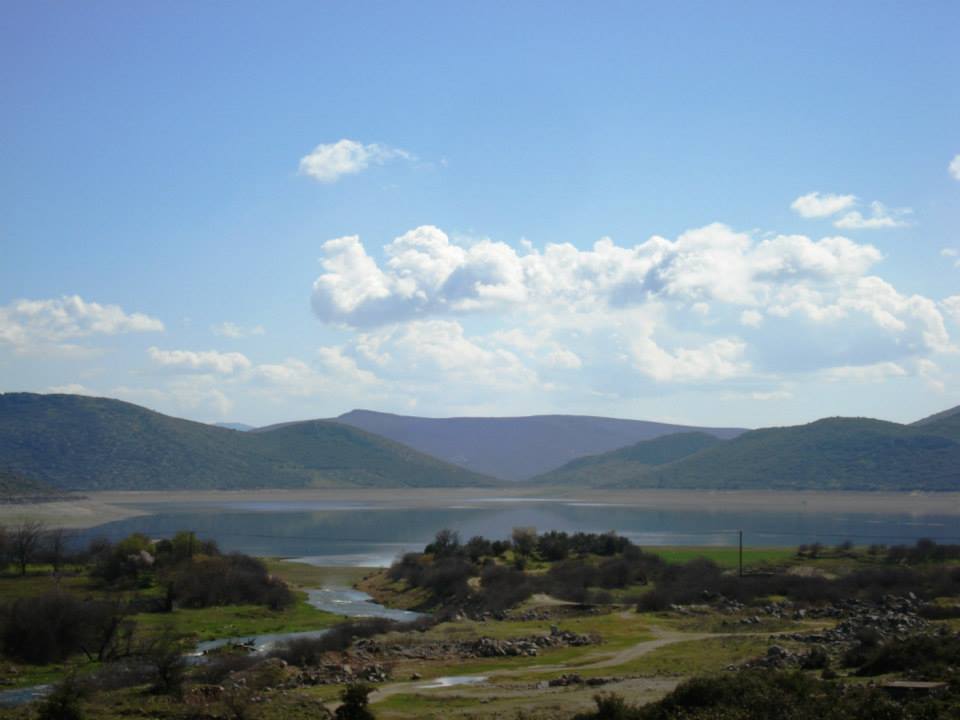
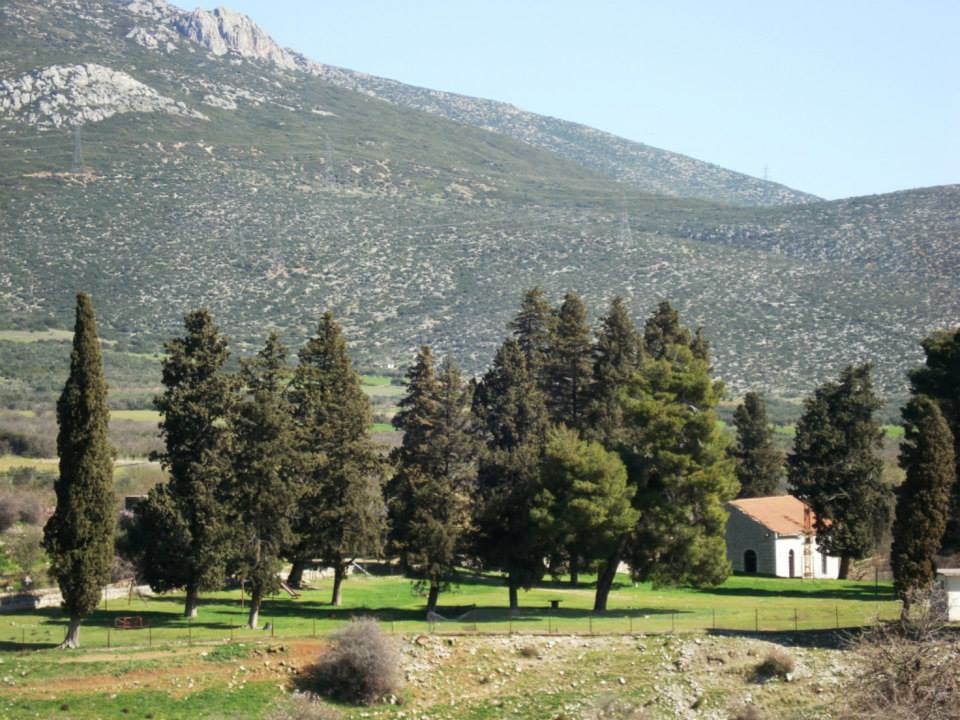
Lake Yliki, the ninth-largest natural lake in Greece, is located in eastern Central Greece, in the region of Boeotia. It lies at the southeastern boundary of the Municipality of Orchomenus and the northwestern boundary of the Municipality of Thebes. In earlier times, it was also known as "Likeri,"while in ancient times, its name was pronounced with an accent on the final syllable, "Ylikí," derived from the ancient city of Hyle or Hylai. The probable location of this city is atop a small hill between the slopes of Mount Ptoon and Lake Yliki, where Byzantine walls with foundation stones from the Hellenistic era have been discovered. This city was famous for producing the renowned Boeotian shields, crafted by the legendary artisan Tychius, mentioned by Homer in the Iliad.
Before the draining of Lake Copais, the average depth of Lake Yliki was only 3.8 meters. Following the drainage, the lake's surface area nearly doubled, and the average water level rose by 25-30 meters.
The location of Lake Yliki in the Municipality of Orchomenus. Lake Yliki is situated at coordinates 38°24'26";N, 23°16'49"E, in a basin formed by the surrounding mountains: Ktypas or Messapio (1,021 meters) to the east, Ptoon (726 meters) to the north, Sphingeio (565 meters) to the west, and low hills to the south.
The lake's basin receives water from the drained Lake Copais via the Boeotian Kifisos River. It is also fed by underground springs and smaller streams from the surrounding mountains. While its surface area fluctuates with climatic conditions, it spans approximately 22 square kilometers. Its maximum depth reaches 38.5 meters, with an average depth of 28.8 meters. When full, the total water volume is estimated at 663,000,000 cubic meters.
Yliki on the left and Paralimni on the right.
Northeast of Lake Yliki lies the smaller Lake Paralimni (15 square kilometers), known in antiquity as Trefia or Ungria. Its surface level is 20 meters lower than that of Yliki. The two lakes are connected by a 2.5-kilometer canal. Historically, during specific seasons, surplus water from Yliki was channeled into Paralimni and then drained into the Euboean Gulf.
Due to the limestone composition of Yliki's bed, numerous karstic underground cavities and sinkholes contribute to the transfer of approximately 30% of the lake's water to Paralimni and the Northern Euboean Gulf. Efforts to seal the lake bed in the past were unsuccessful.
Lake Yliki and its surrounding areas are rich in natural beauty and history, adding both ecological and cultural significance to the region.