Byzantine Monuments and Monasteries
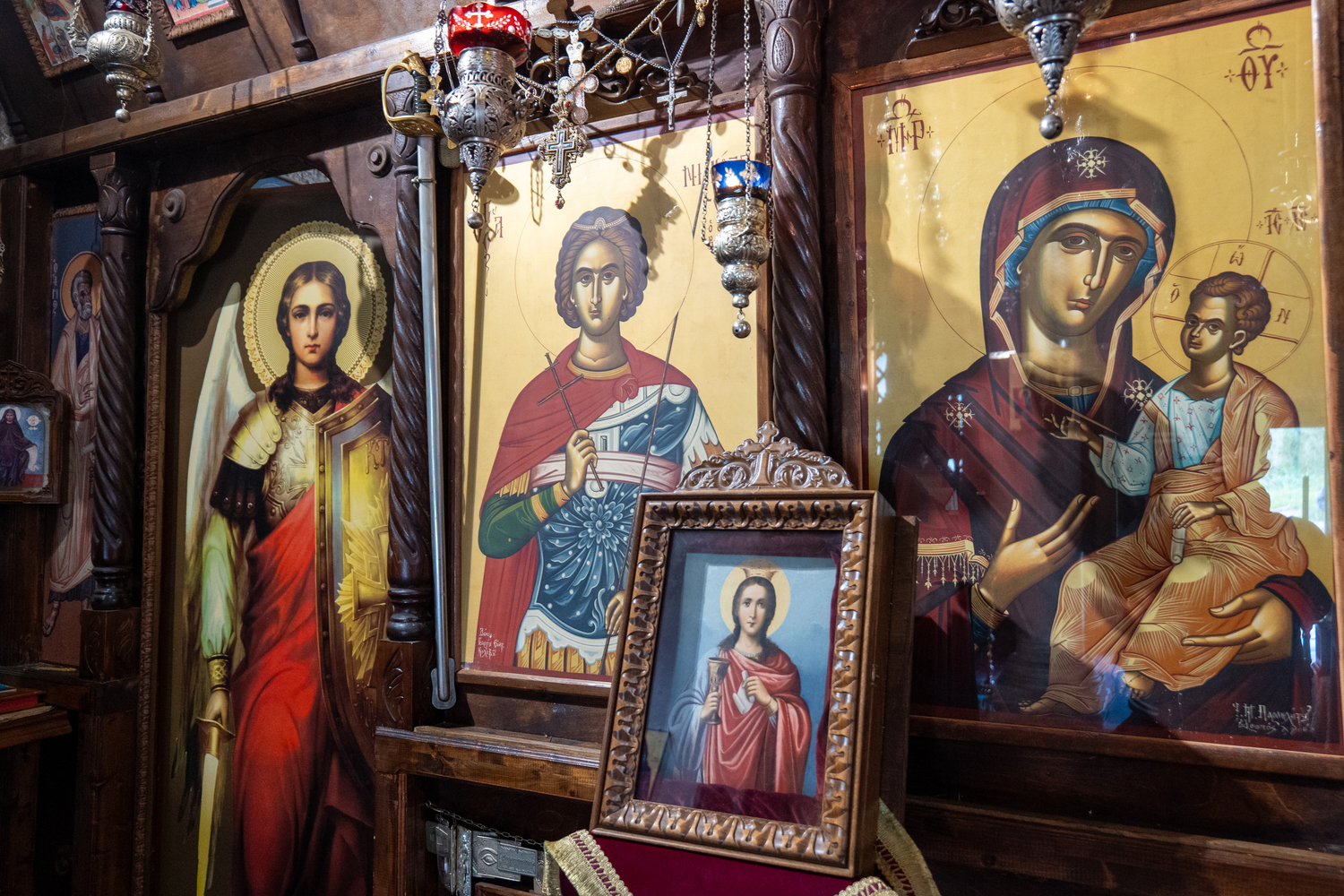
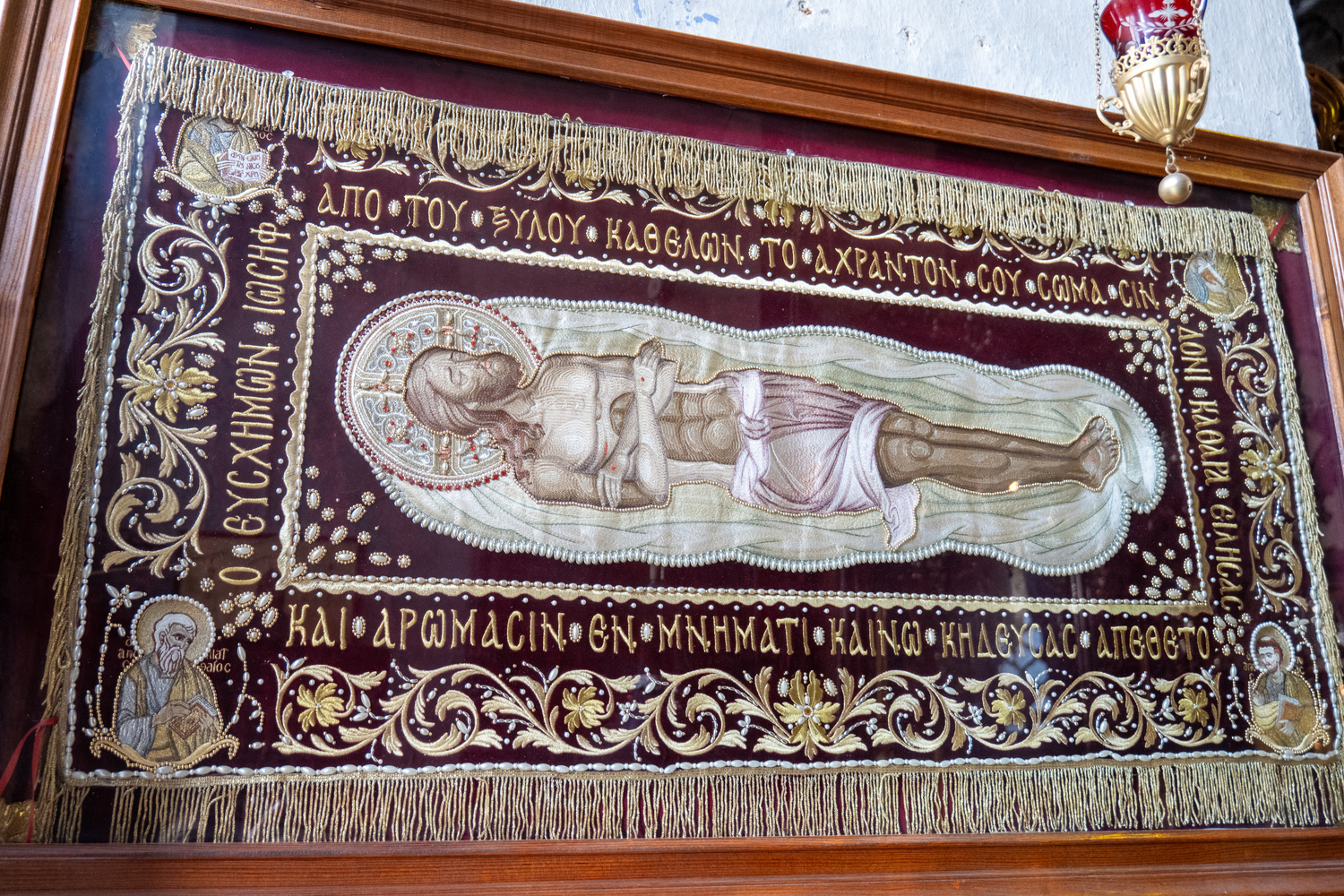
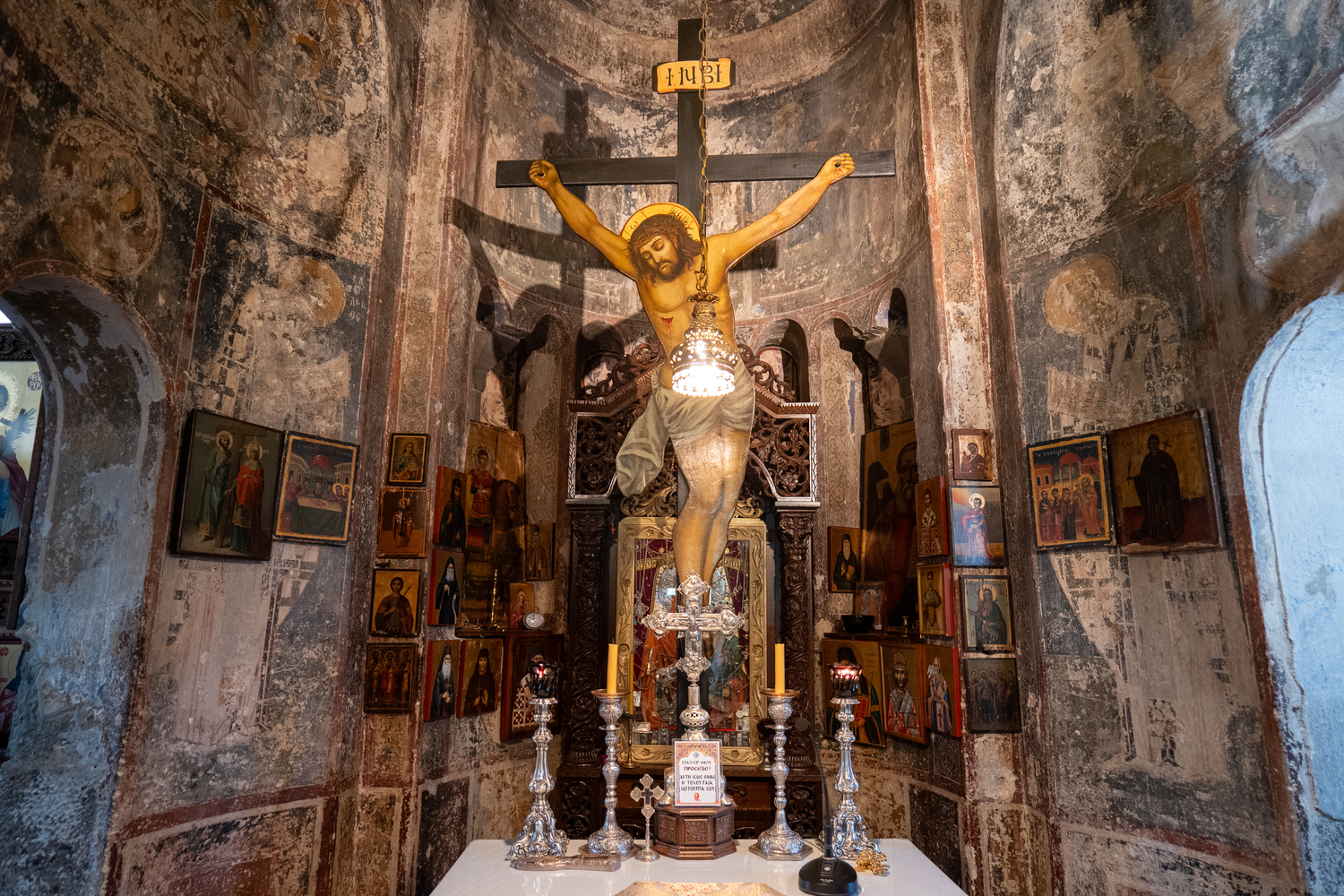
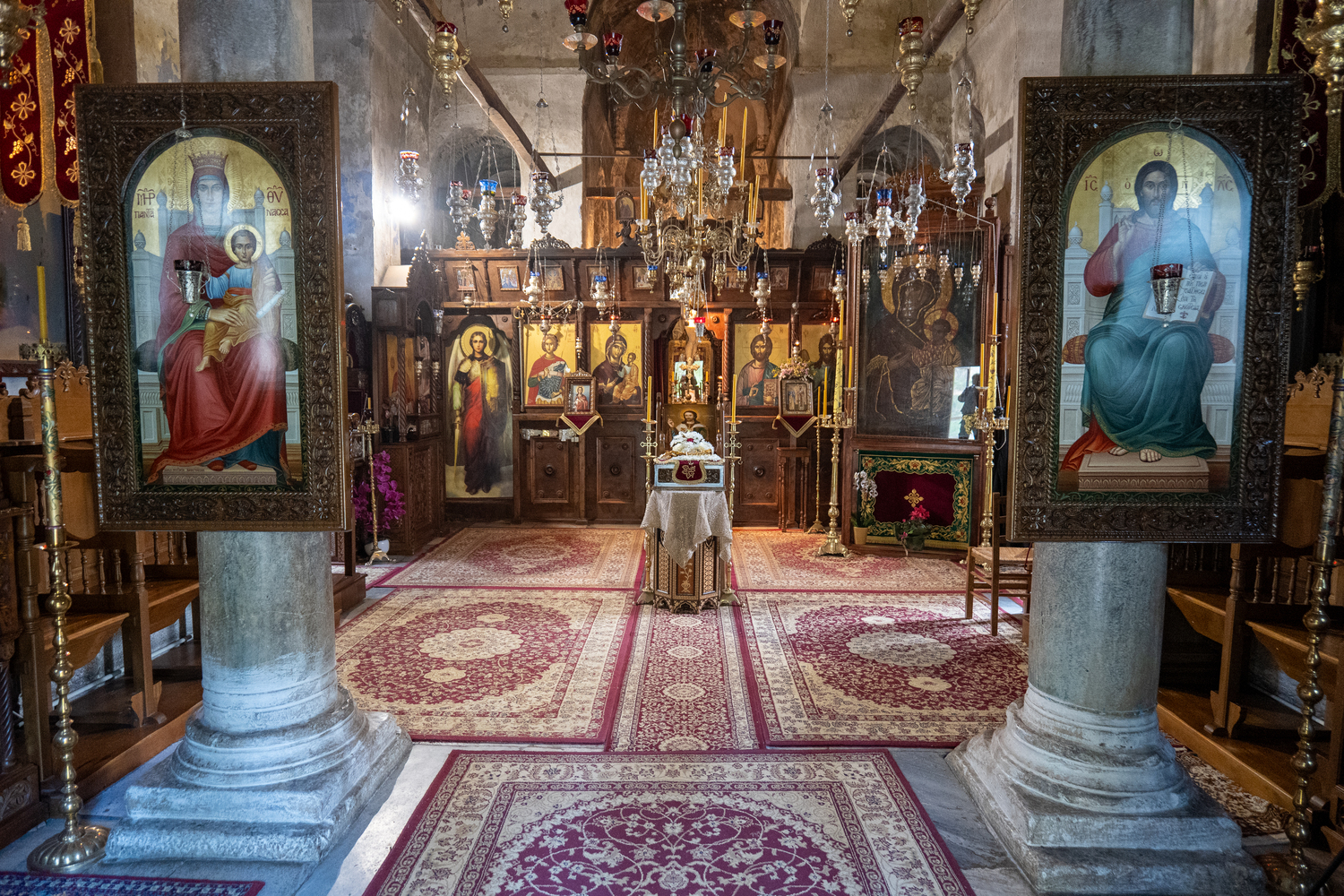
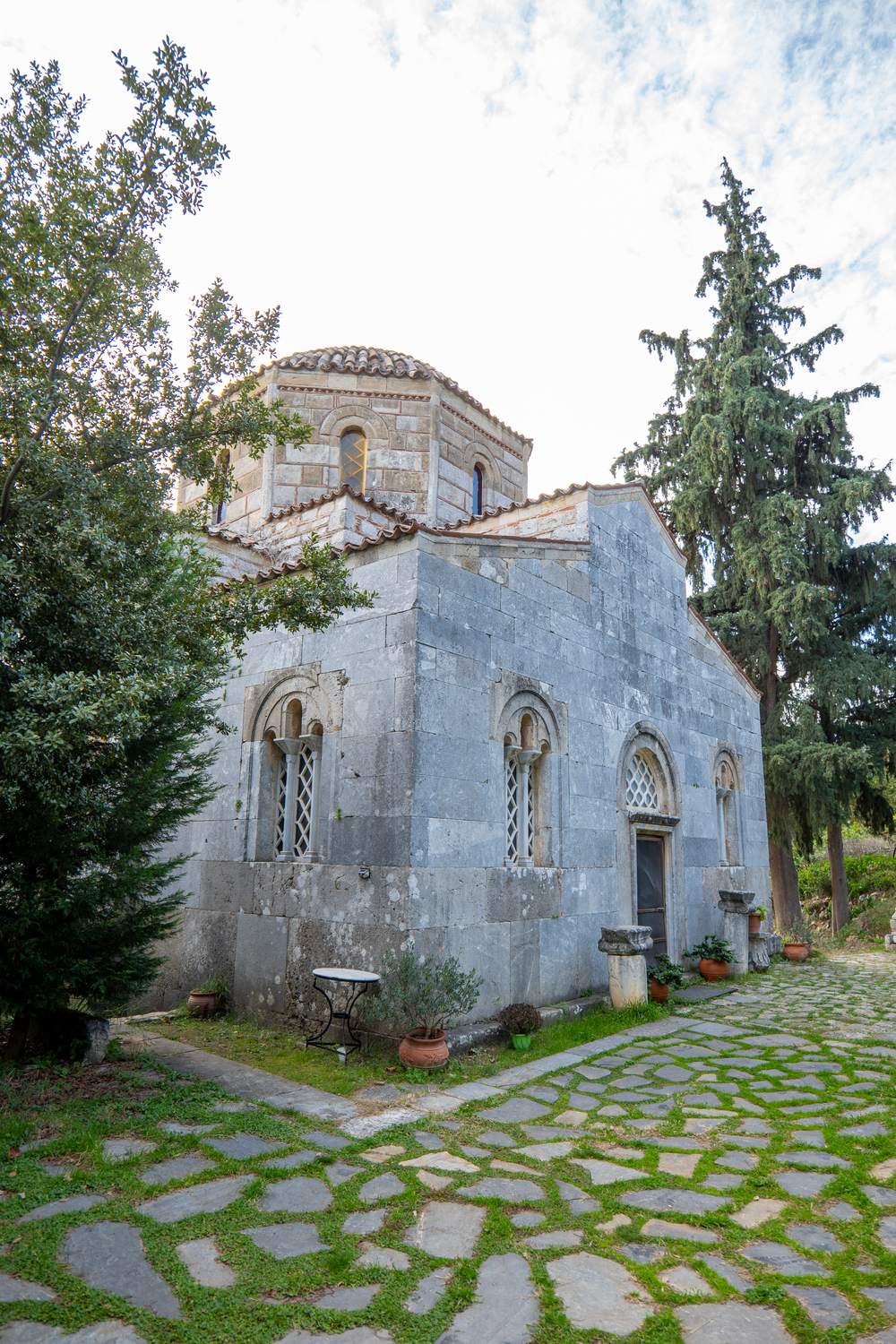
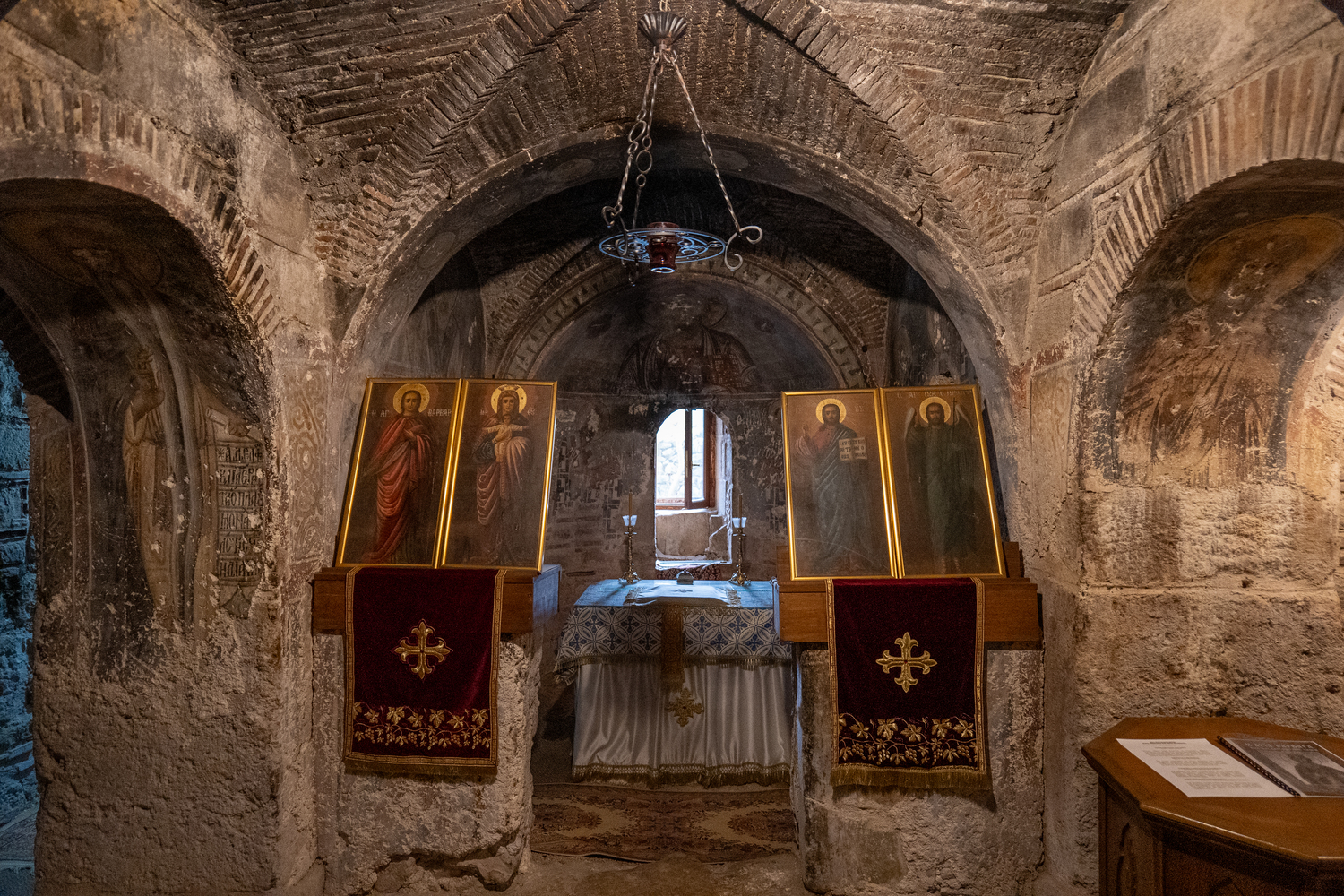
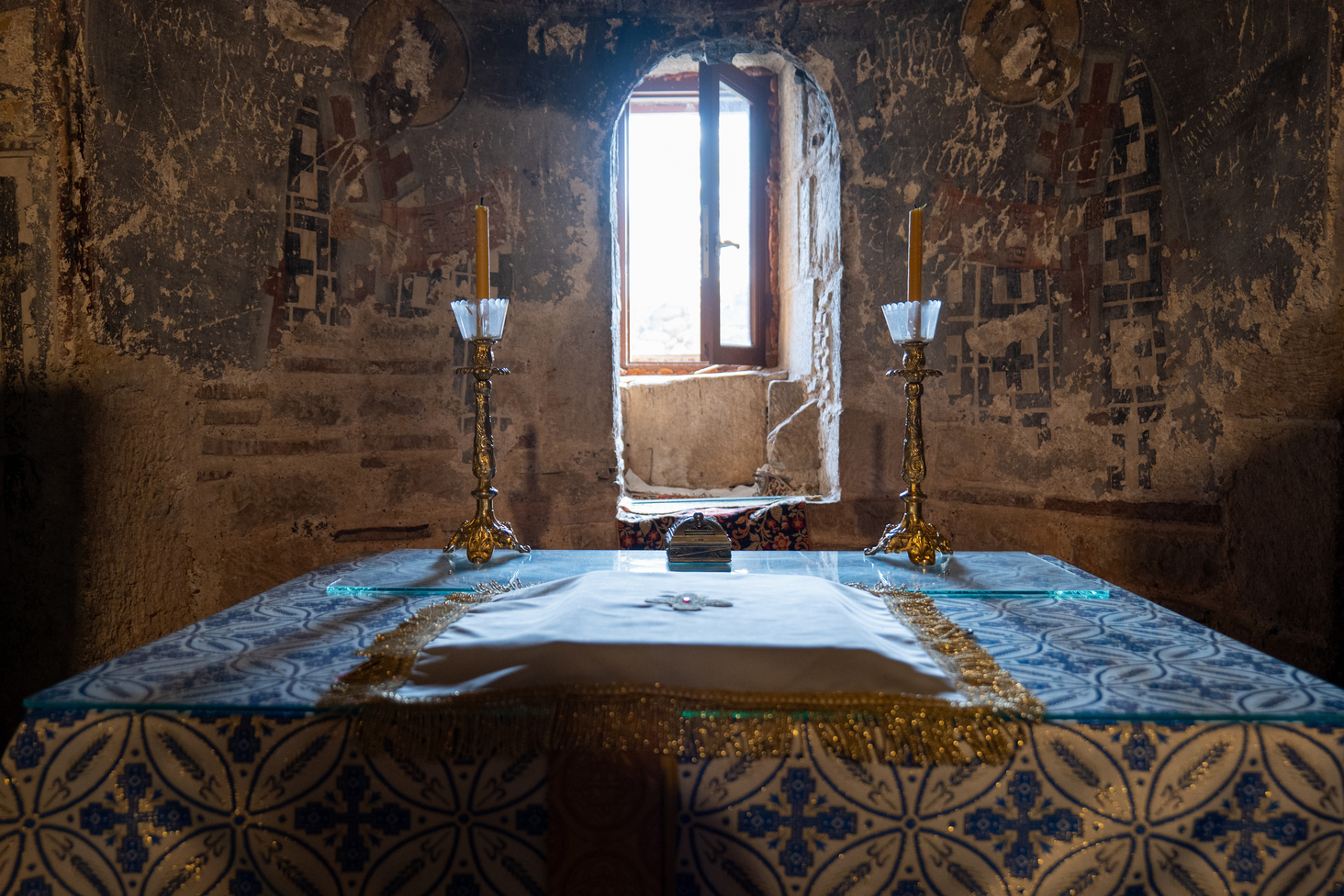
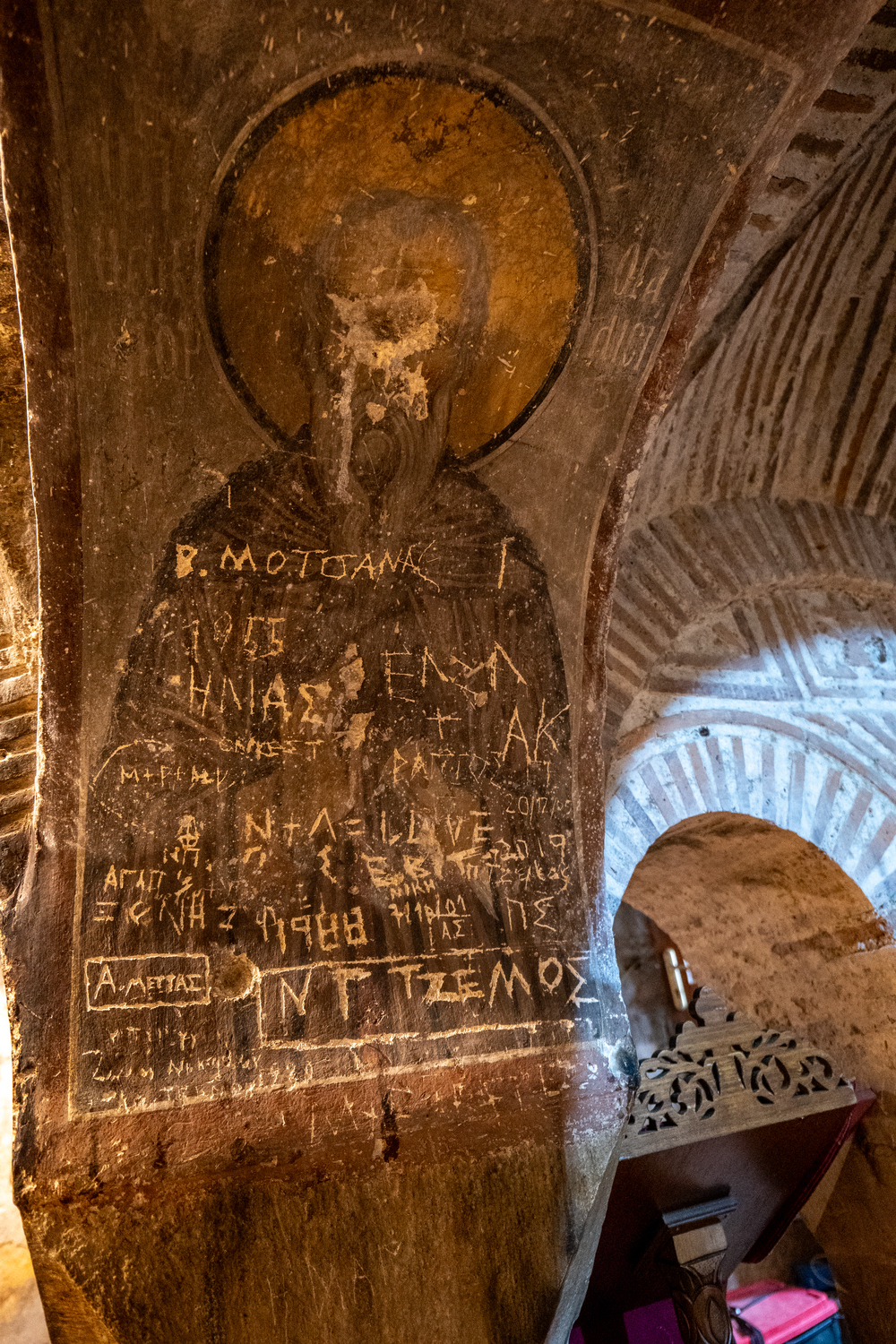
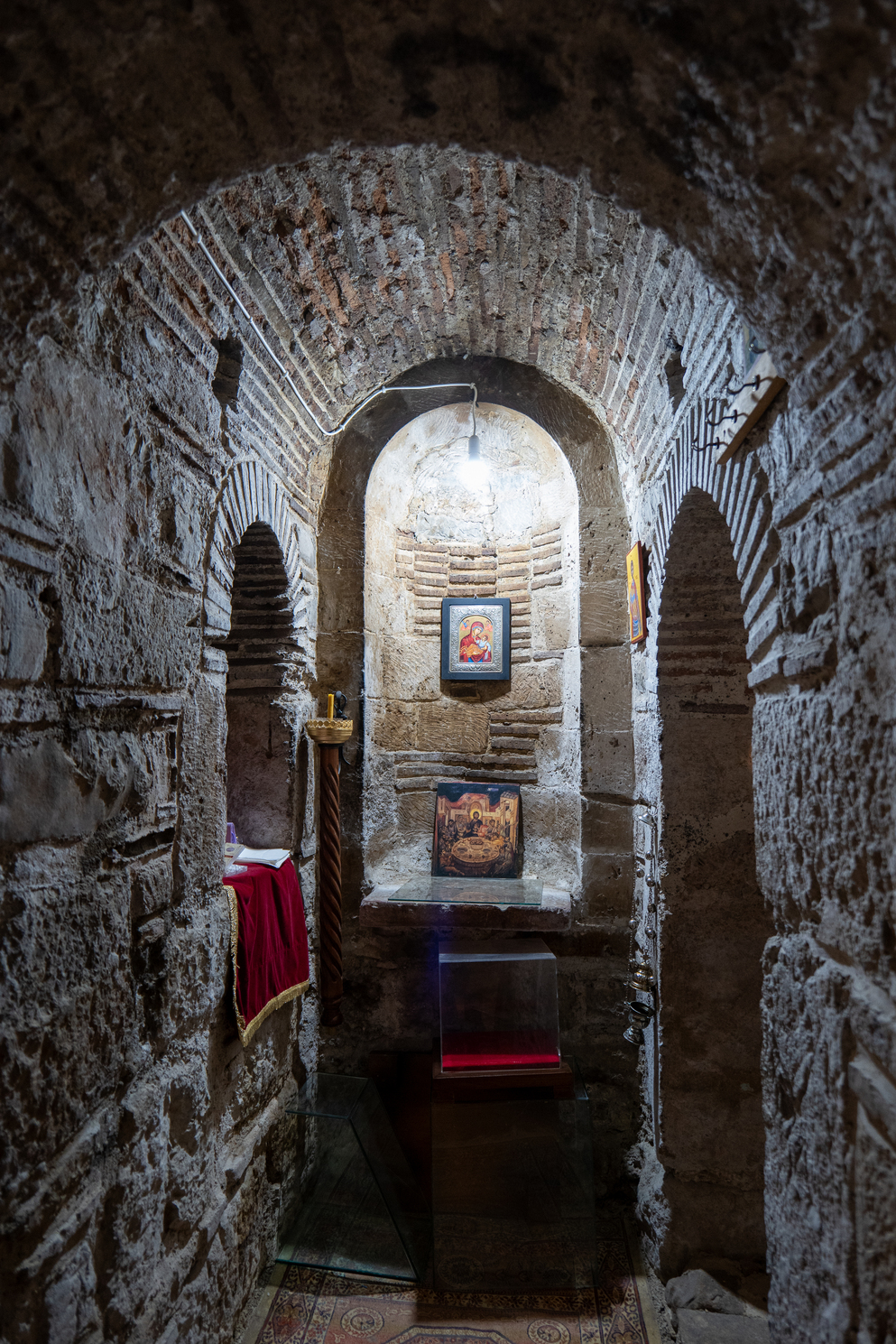
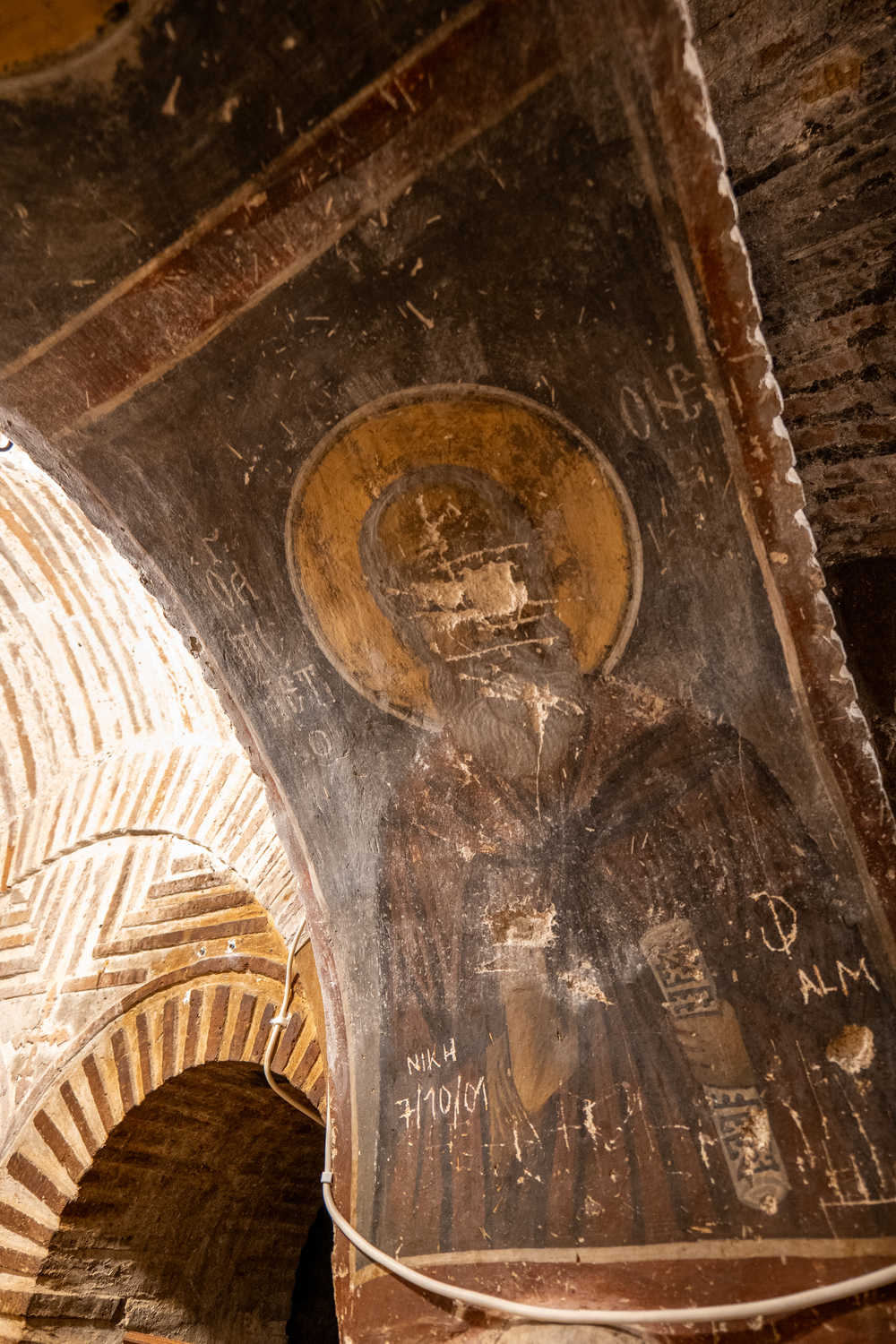
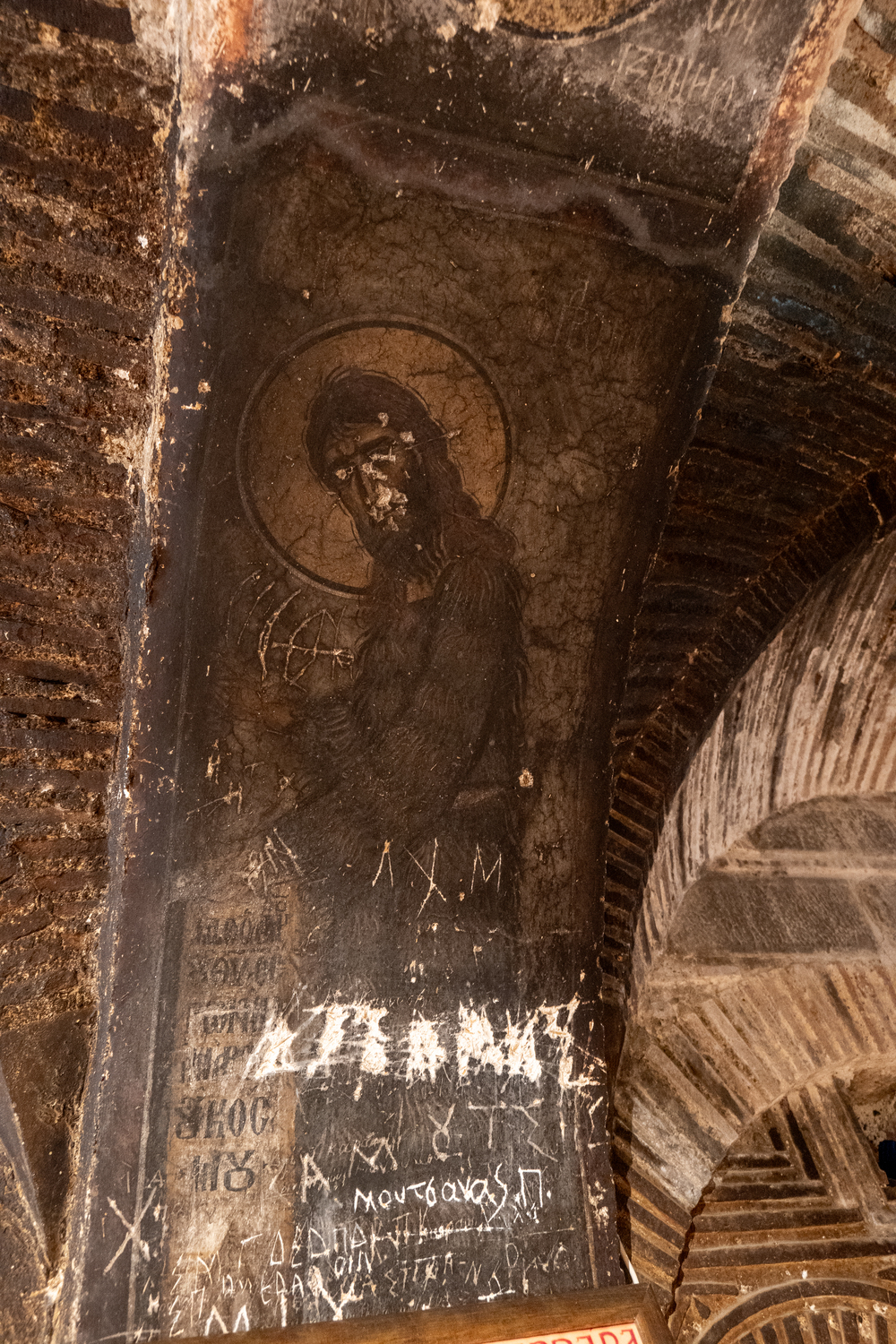
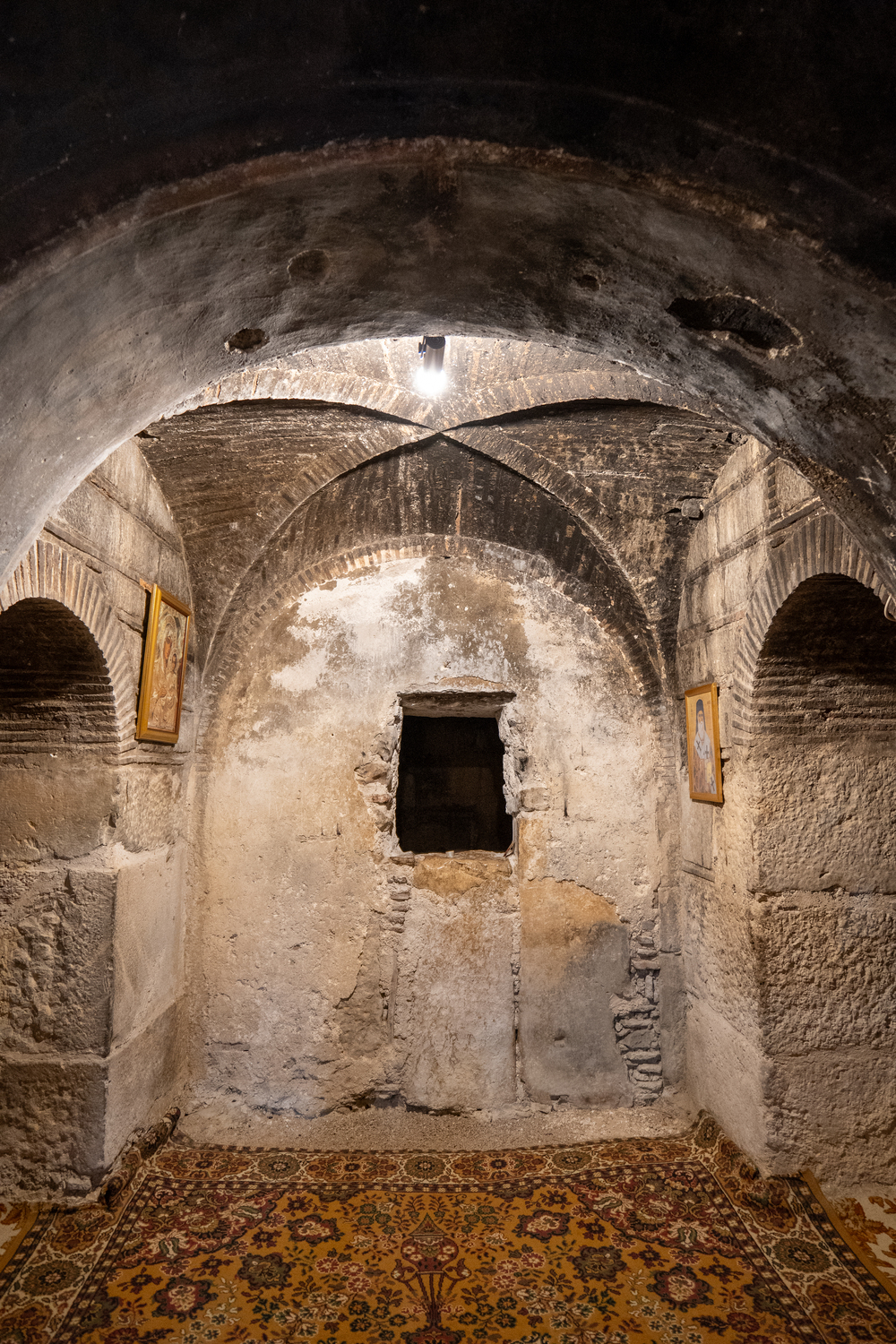
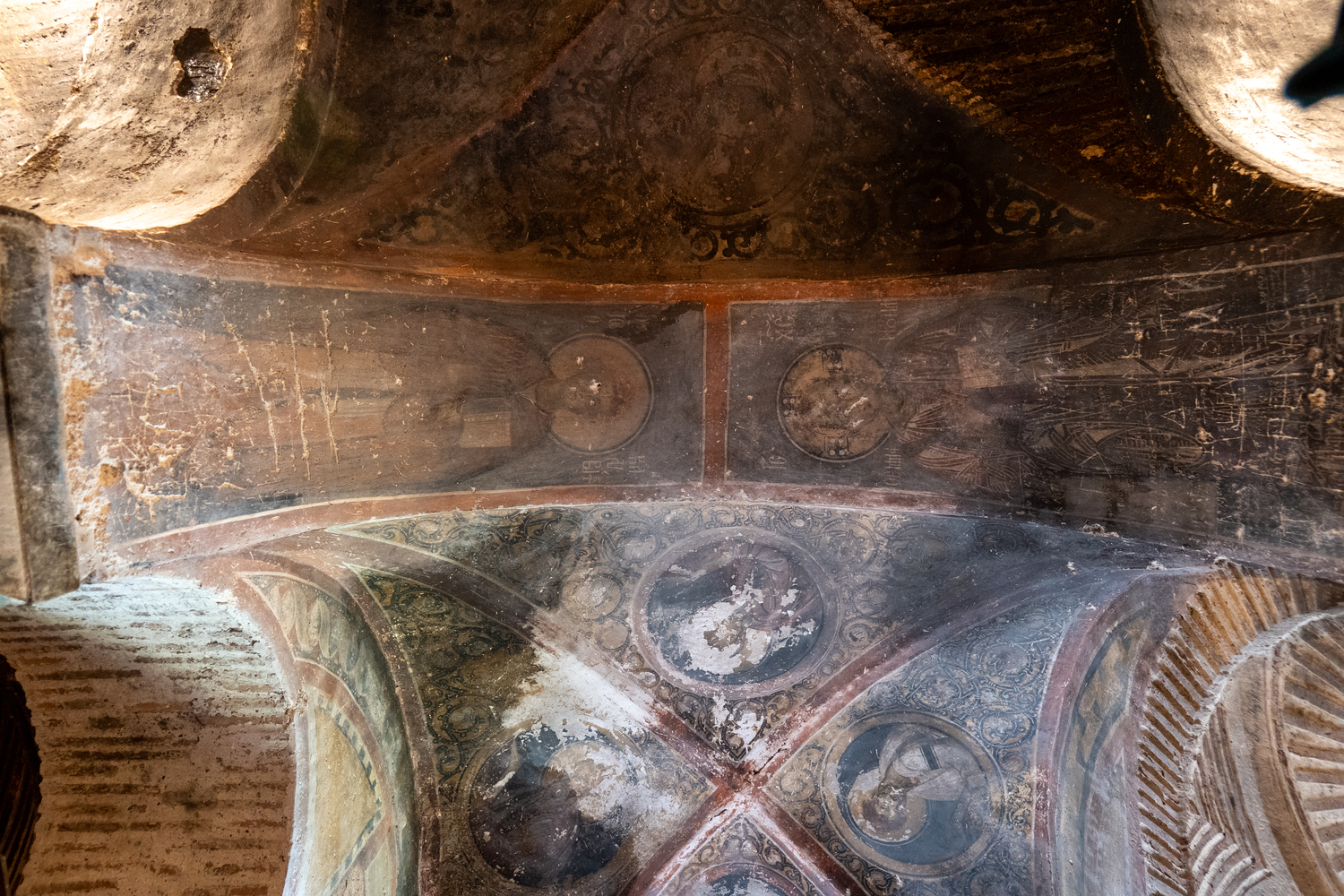
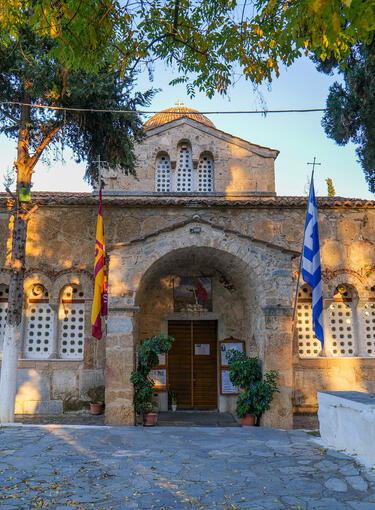
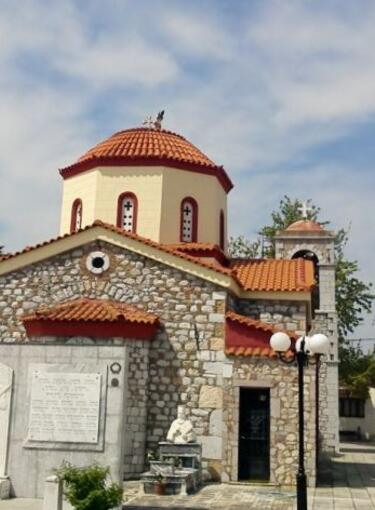
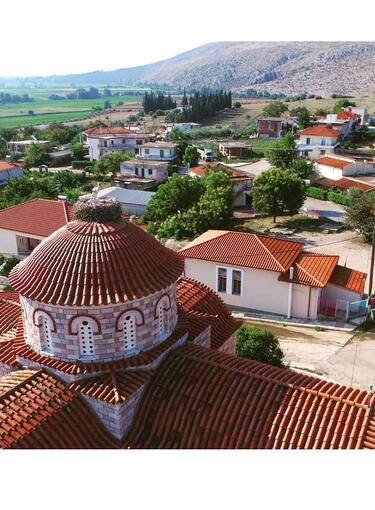
One of the most beautiful and intriguing Byzantine monuments in Greece is the Church dedicated to Saint Nicholas “the Young”, at Kampia, along with its underground crypt dedicated to Saint Barbara. This great monument is located in the municipal district of Dionysos, approximately 5 kilometers northwest of the village Kampia (formerly Tsamali), in the municipality of Orchomenus.
The church dates back to the mid-12th century, as do its masonry walls. Legends and folk traditions link the Monastery of Saint Nicholas the Young at Kampia to the murder of the master builder of the Hosios Loukas Monastery in Steiri, Boeotia. The remaining buildings of the monastery date, based on their architectural and construction features, to the 18th or 19th century. However, there are no historical sources or records documenting this connection, even though both significant Byzantine monuments were constructed using similar materials.
It would not be an overstatement to say that the Church at Kampia features comparatively superior stonework, as it was built with carved blocks, a rarity for the era. Scholars believe the Church at Kampia is an imitation of the Hosios Loukas Monastery and is classified as Epirote style, since it was constructed with materials transported for the construction of Hosios Loukas from the port of Atalanti to Steiri. According to all indications, the church was likely funded by Byzantine officials, as it would be improbable for such a costly structure to have been built in a remote location solely with the resources of the local population, despite the lack of written evidence to confirm this.
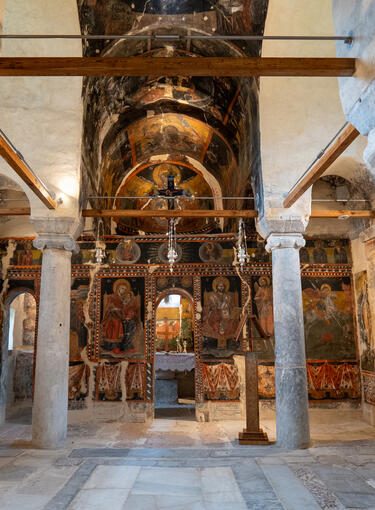
On the exterior, the church is clad with marble slabs, in contrast to the typical brickwork seen in Byzantine churches. Notable is the sculpted decoration on the north door. Equally fascinating is the semi-underground crypt, which has more frescoes than the main church, depicting full-length saints and busts. The belief that the two monasteries -St. Nicholas and Osios Loukas- are contemporary is also evidenced by the renowned and exceptional fresco of Saint John Kaloktenis found in the crypt beneath the church. The posture,
form, and colors of this fresco point to the era the monastery was founded. The form, style, construction, and materials used further confirm the dating of its construction. A key reference remains the concise descriptions and plans published in 1901 by R.W. Schultz and S.H. Barnsley in their study of the Osios Loukas Monastery. Additionally, the research of Charalambos and Laskarina Boura on 12th-century church architecture has systematically compiled the relevant bibliography on the monument.
The monastery played a significant role during the pre-revolutionary period, serving as a refuge for local chieftains and the population.
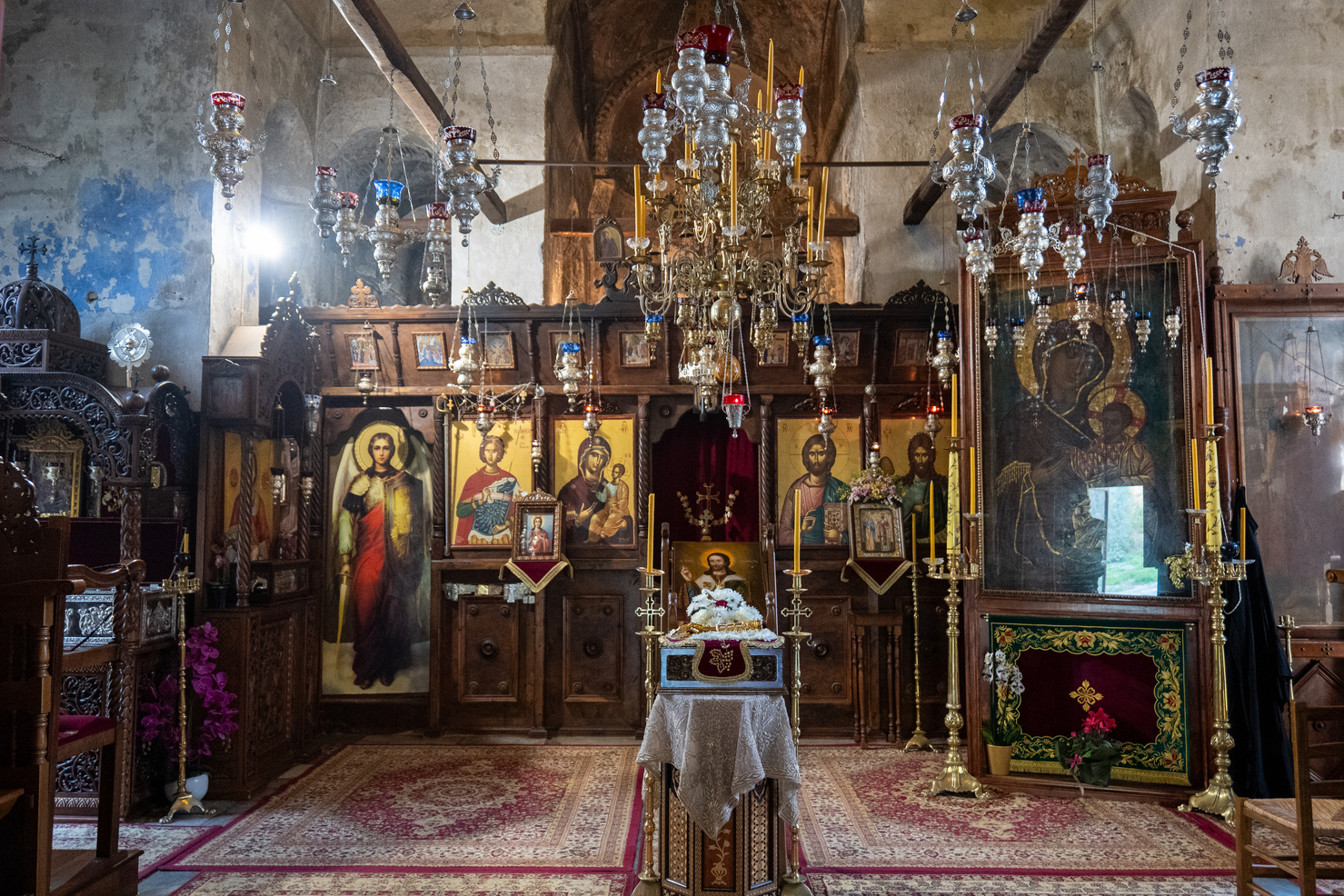
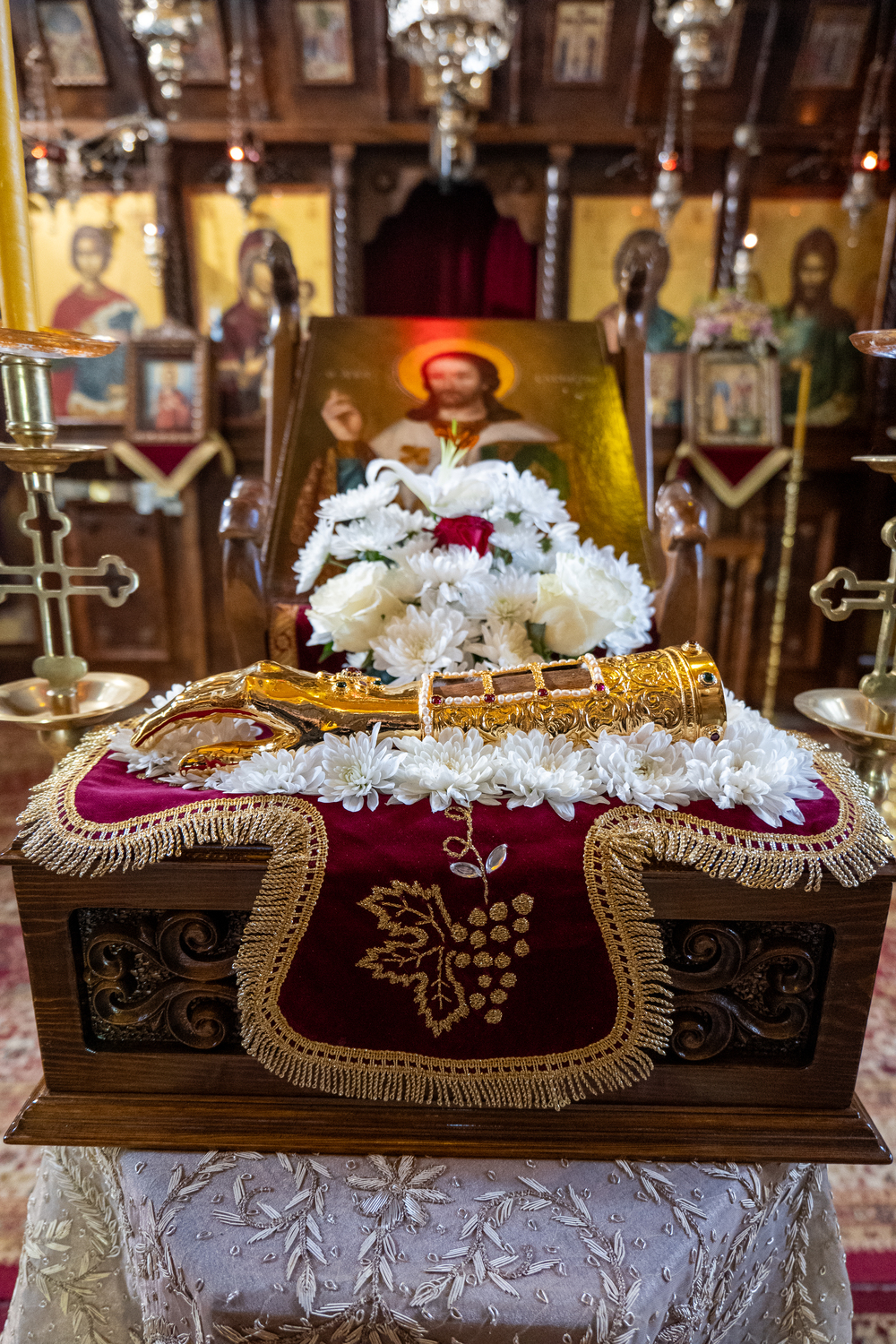
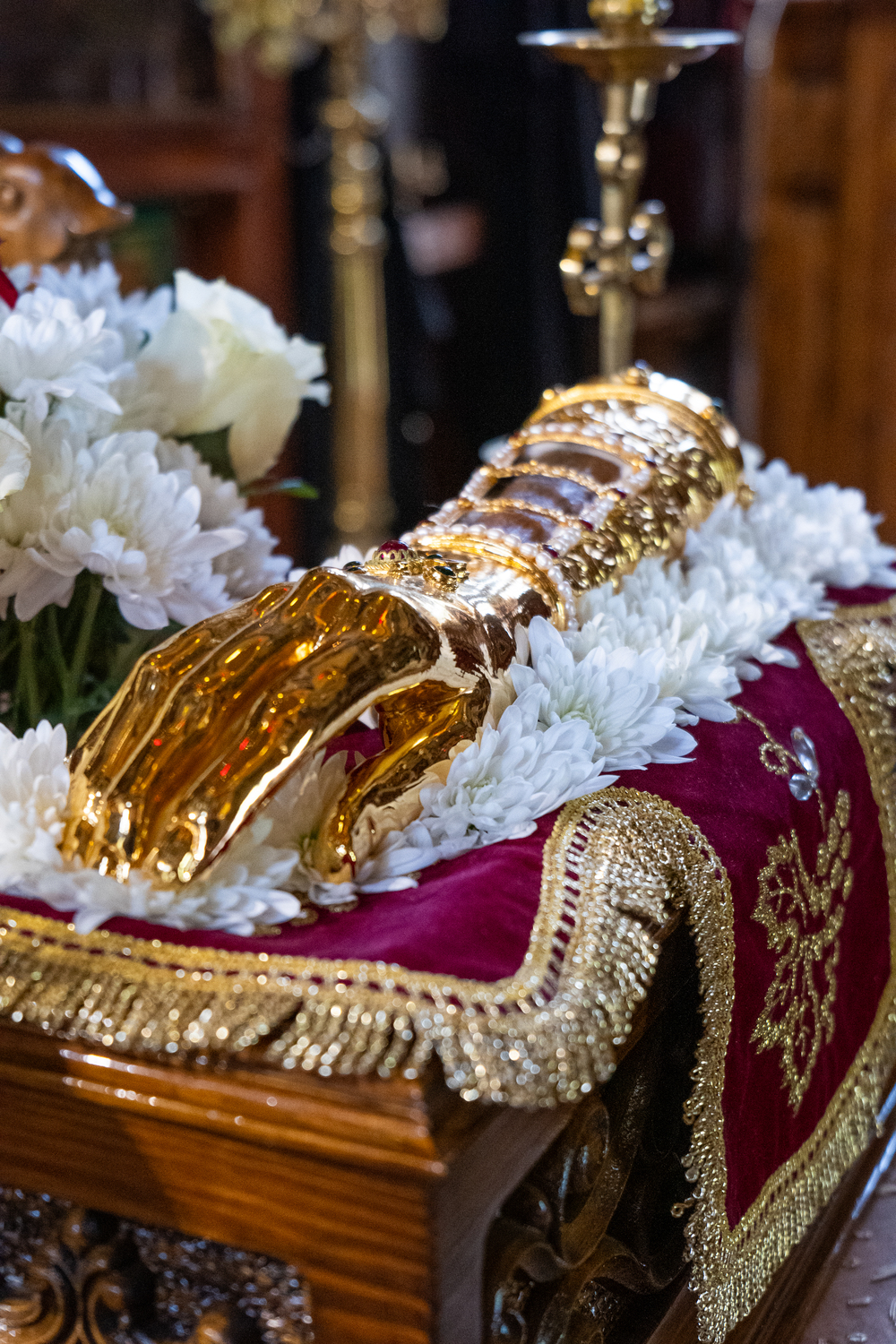
Today, the Monastery of Saint Nicholas the Young at Kampia is open daily. Visitors will receive blessings from Abbot Fr. Nektarios Mitsos and the monastic brotherhood. The monastery, which celebrates its feast on May 9th, houses numerous relics of saints and the reliquary of Saint Floros.